

The problem was never who to hire.
It’s what happens before that.
We build what sits beneath recruiting: the decisions, the authority, and the standard that decide whether a good hire happens once, or happens again.

The founder is back in conversations they thought they had delegated.
Two interviewers can sit through the same conversation and walk away with two different verdicts on the same candidate, and nobody catches it until the hire is six months in. That’s how it ends up back on the founder’s desk. The usual response is more sourcing, more interviews, more names in the pipeline. The volume didn’t cause those problems. It found them.
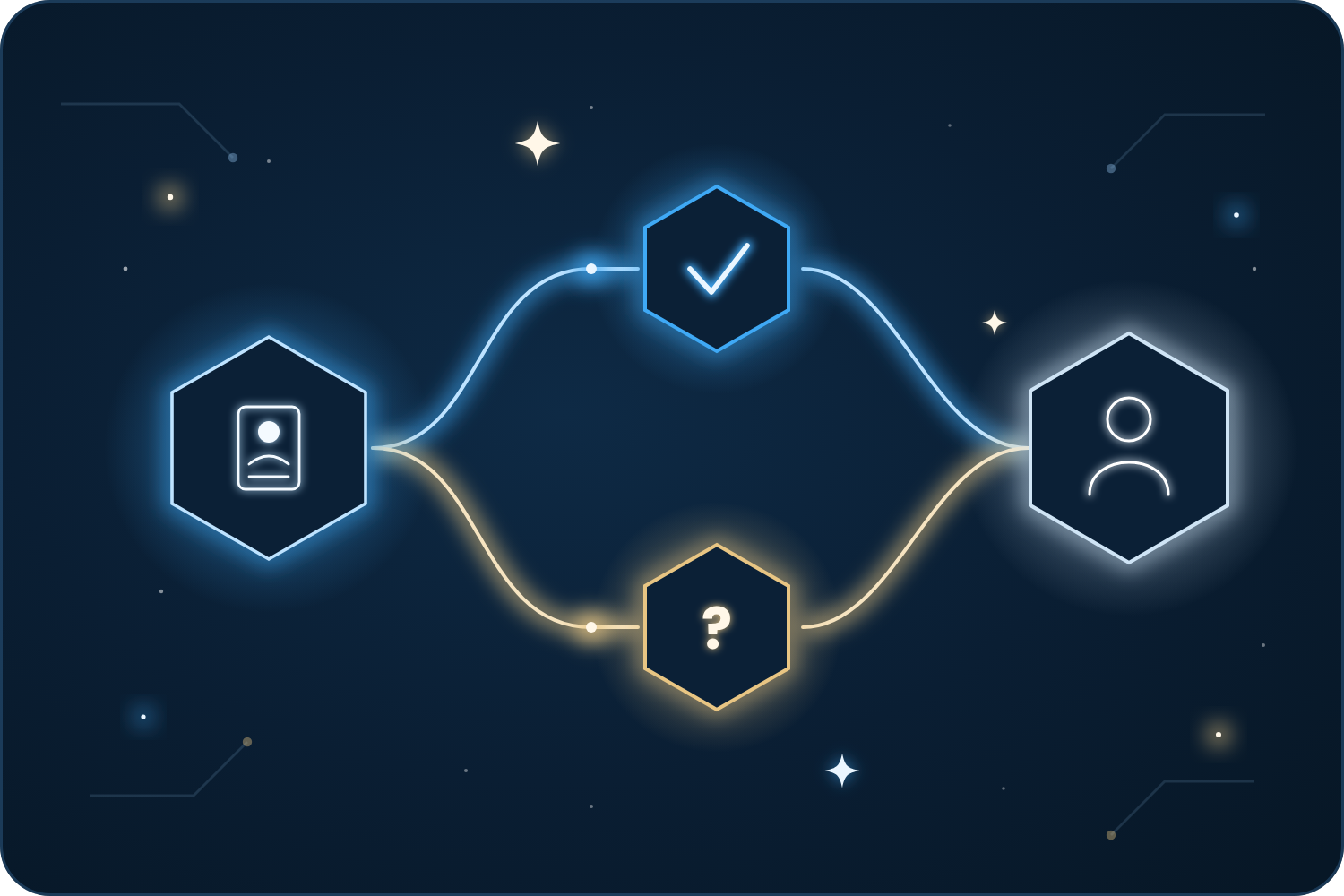
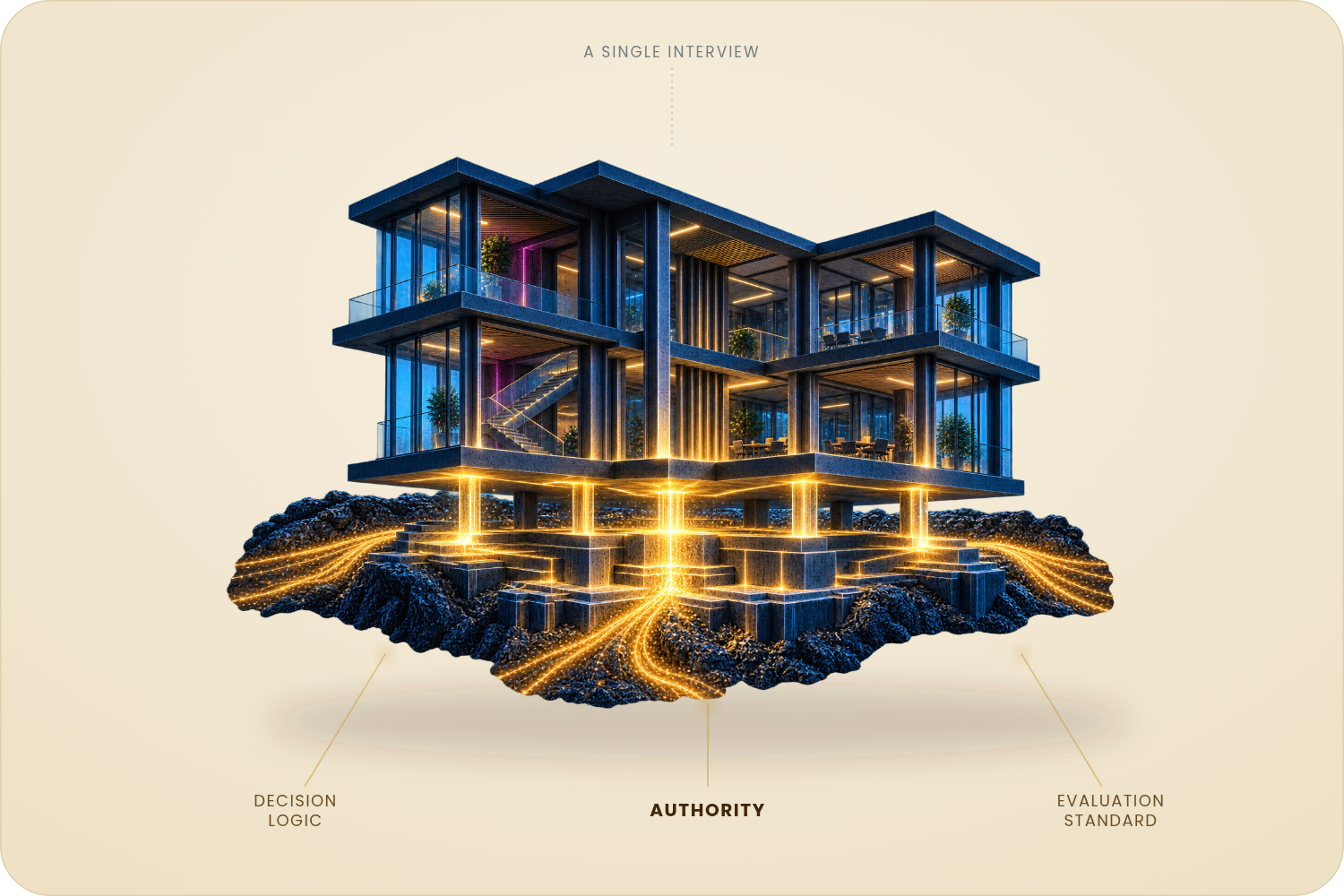
Attal Blueprints works underneath the hiring process, not on top of it.
It’s not another layer stacked on top. It’s what any tool or training you add would need to stand on. We build the Human Operating Architecture: the decision logic, the authority, and the evaluation standard that decide who gets hired and why, before a single interview happens.
Capability tells you what someone can do. It doesn’t tell you whether the organization can recognize it, or agree on it, once it’s standing in front of them. That’s the part most companies never build, and it’s the part that decides everything downstream.
AI is already sitting inside recruiting pipelines, sorting resumes, running outreach, summarizing interviews.
It’s fast at all of it. What it can’t do is decide which version of the role is real, or repair a hiring process nobody agreed on to begin with. Automating a decision nobody has made doesn’t settle anything. It just moves the confusion faster.
The bill for that shows up in places nobody labels as hiring cost: a seat sitting empty longer than it needs to, a search that quietly starts over, and a leader re-litigating a decision that was already made once.
When our layer exists, two interviewers land on the same verdict without needing a debrief to get there.
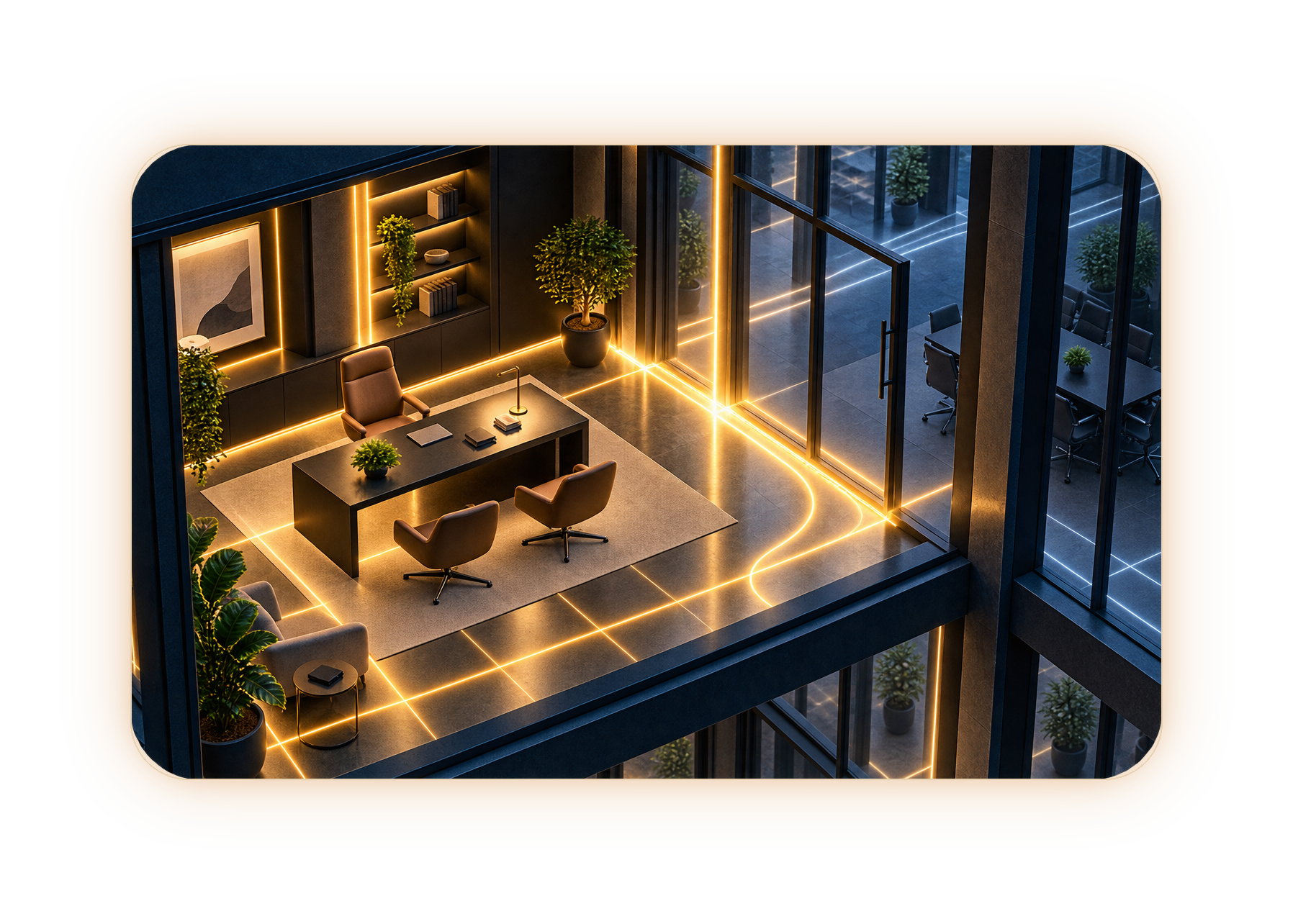
A new hiring manager inherits a standard instead of guessing at one, and gets it right sooner than the person before them did. And the founder gets to sit in the room because they want to, not because no one else was ever handed the authority to be there instead.