
Attal Blueprints began with a question that wouldn’t let up.
This is where the Human Operating Architecture came from, and why it’s built the way it is.
After twenty years in recruiting, executive hiring, and organizational design, Allison Attal kept running into the same pattern.
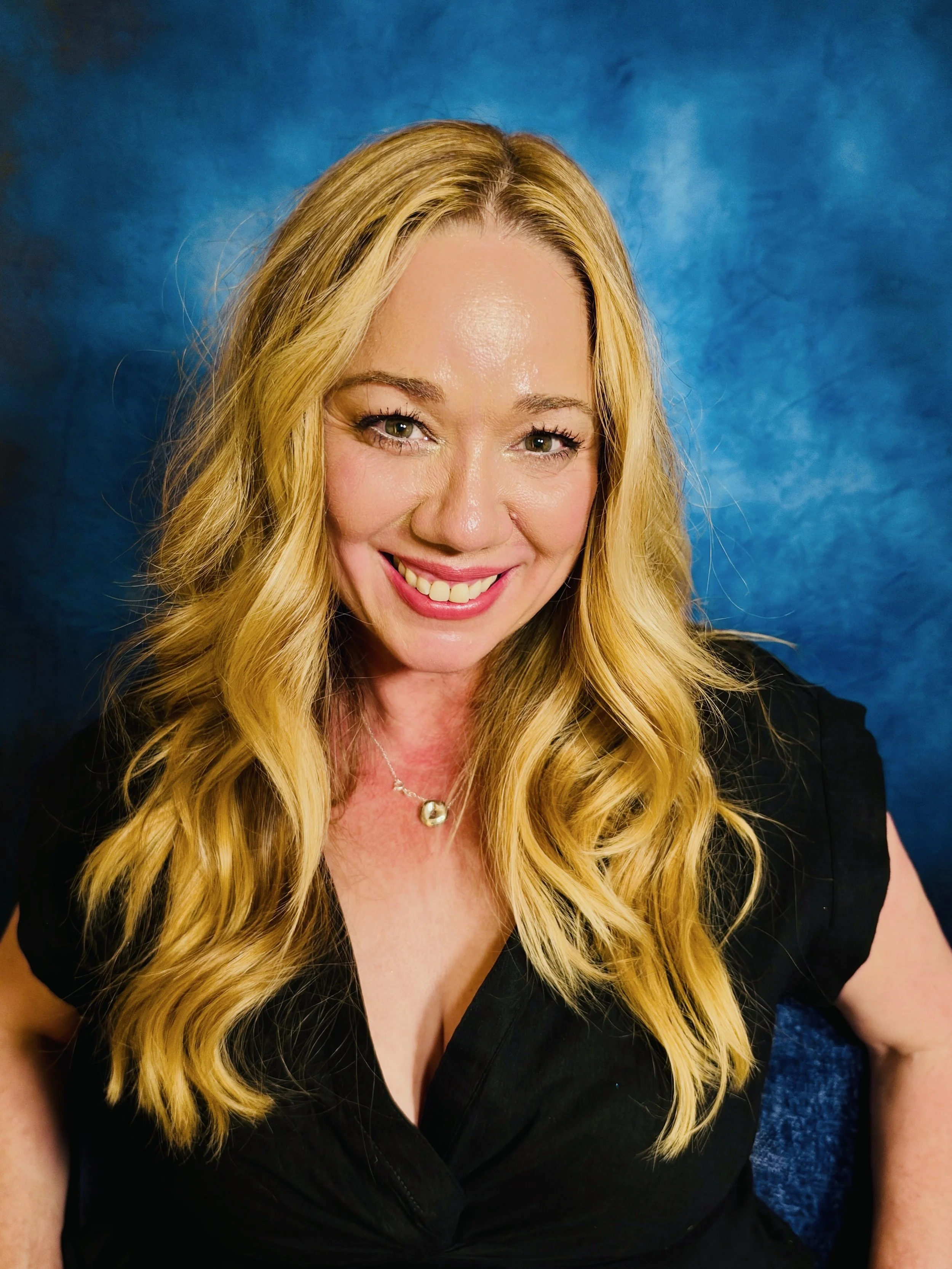
Organizations weren’t struggling to find talented people. They were struggling to understand them. Somewhere between an interview and an org chart, the actual person got lost.
She’d spent years trying to fit inside systems that were never built with her thinking or her way of working in mind. Rather than take another version of the same job at another version of the same company, she built something miles apart from the same old thing instead.
That decision became Attal Blueprints.
She stopped asking, “What kind of person is this?” She started asking, “How does this person’s capability show up?”
That same realization, that organizations were struggling to understand people, not find them, didn’t come from a whiteboard. It came from decades inside rooms like these:
Google. Meta. Startups. Healthcare. Technical infrastructure.
Different industries, different stakes, same story: organizations making confident decisions about people, with almost none of the information that mattered.
She’s led AI adoption in recruiting pipelines too, not as a concept but inside the actual workflows, which means she’s watched this problem speed up firsthand, not studied it from a distance.
This isn’t a bigger version of what already exists.
Attal Blueprints builds the Human Operating Architecture, the foundation beneath every decision an organization makes about its people. That work starts with hiring decisions, because that’s where the gap shows up earliest and costs the most.
Allison’s background is in music before it was ever in hiring. She trained at the American Musical and Dramatic Academy and still writes, produces, and engineers original work. The same instinct that reads a piece of music, pattern, tension, timing, how it all resolves, is the instinct behind how she reads an organization.
If any of this sounds familiar, it’s worth talking through.
If Allison’s story sounds like it’s describing your organization too, that’s not a coincidence, it’s the same pattern showing up somewhere new.